How to Convert JPG, PNG or WebP Images to PDF
Turn one or more JPG, PNG, or WebP images into a portable PDF with a predictable page order.
On this page
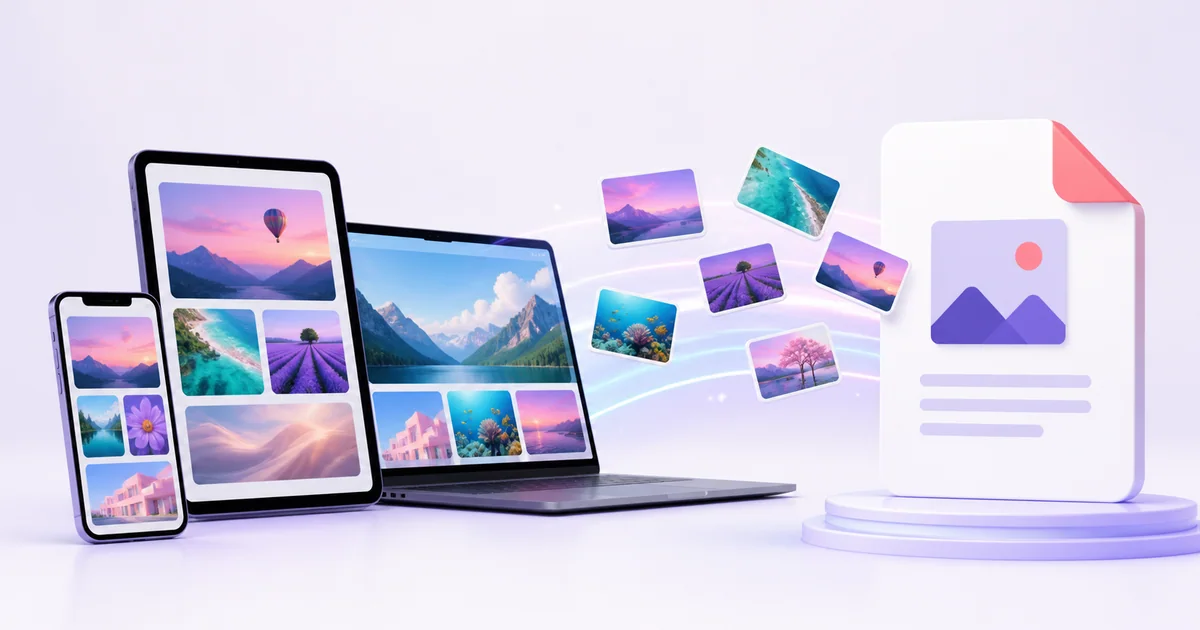
Converting JPG, PNG, or WebP images to PDF is useful for receipts, forms, and notes because the recipient receives one consistent document rather than a collection of image attachments.
This guide explains a careful workflow using JPG to PDF. Work with a copy when the source matters, and always inspect the output before submitting, sharing, or deleting anything.
Before you start
Use the final source file, close it in other applications, and confirm that you are authorised to process its contents. A stable connection helps with uploads, but the quality of the result still depends on the source. Password-protected or severely damaged files may need attention before processing.
Step-by-step workflow
- Crop and rotate each image before conversion.
- Rename images in reading order.
- Upload up to 30 JPG, PNG, or WebP images to JPG to PDF.
- Reorder the thumbnails and choose A4 or automatic page sizing.
- Create the PDF, download it, and inspect every page.
Quality checks
Do not judge a document only from a successful download message. Open the result in a PDF reader and check these points:
- Images are upright and not cut off.
- The order follows the intended story or form.
- Text remains readable at normal zoom.
Practical notes
- High-resolution photos can create a large PDF; compress only after checking quality.
- Do not photograph sensitive documents in a location where backgrounds reveal private information.
Privacy and file handling
Only upload documents you are permitted to process. XPPDF uses short-lived processing storage; signed-in users can keep eligible workspace files for up to three days, while guest jobs have a shorter retention period. Download important results promptly and remove files you no longer need from your workspace.
Frequently asked questions
Does the process change my original file?
The tool creates a new output. Your local original remains unchanged unless you deliberately replace it after downloading.
Should I check the output before using it?
Yes. Check page count, readability, order, and any critical names, totals, dates, or signatures. Automated processing cannot understand the business meaning of every document.
Can I continue with another PDF task?
Yes. After checking the result, use the workspace actions or visit all XPPDF tools to continue with a relevant task. Choose only the operations you actually need so that quality is not reduced by unnecessary repeated processing.
Final checklist
- Keep the original until the result is accepted.
- Open the downloaded output rather than relying on its filename.
- Confirm the file meets the recipient's format and size rules.
- Protect confidential documents after download.
For this task, open JPG to PDF and follow the steps above.
Keep learning
Related guides
Guide
How to Edit a PDF Online and Review the Export
Make focused PDF edits, export a new copy, and verify that annotations and page content appear correctly.
Read guideGuide
How to Compress an Image for Email or Online Forms
Reduce an image file size while keeping text, faces, and important visual details clear.
Read guideGuide
How to Convert Excel to PDF and Keep the Sheet Readable
Prepare spreadsheet print settings before converting Excel worksheets to a readable PDF.
Read guide